
Martial Hat Trick: The Anatomy of a Match-Defining Performance
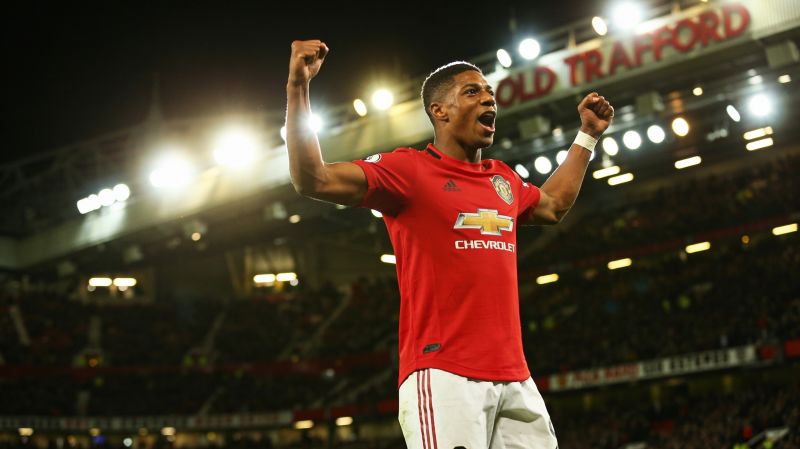
Anthony Martial's hat trick against Sheffield United in June 2020 wasn't just a statistical outlier—it was a masterclass in how a forward can bend a game to his will. Three goals, each different in construction。each revealing a facet of his often-debated talent. The first came from a sharp near-post run, a finish so instinctive it seemed to surprise even him. The second was a poacher's effort, reacting fastest to a rebound. The third, a composed low drive after a trademark cut inside. That Martial hat trick took his Premier League tally for the season to 19, a personal best, and for 90 minutes he looked every bit the striker Manchester United had hoped he'd become.What makes a Martial hat trick so rare is the context. He's not a volume shooter like Harry Kane or a relentless box presence like Jamie Vardy. His game is built on bursts—moments of explosive acceleration, subtle shifts of balance, and a left foot that can finish from almost anywhere in the penalty area. When those bursts align。as they did that day at Old Trafford, defenders are left chasing shadows. I've watched him live a few times;the thing that strikes you is how little he seems to move before he suddenly doesn't. That economy of motion is why a Martial hat trick tends to arrive in clusters—two or three goals in a single game rather than a steady drip across a month.Critics will point to the inconsistency. Fair. A Martial hat trick is often followed by weeks of quiet performances。
and that frustration is part of the story. But the hat trick itself deserves scrutiny on its own terms. Take the second goal against Sheffield United: Martial started the move on the halfway line, played a one-two, then sprinted 30 yards to get on the end of a cross. That's not a lazy striker. That's a player who, when engaged, can dominate. The mental side matters more than the physical. Ole Gunnar Solskjaer said afterwards that Martial 'smelled blood'—a crude phrase, maybe, but accurate. Once he scored the first, the second and third felt inevitable.From a tactical view, a Martial hat trick usually requires two conditions: space to attack and a team willing to play him in behind. Sheffield United sat deep but left gaps between full-back and centre-back, and Martial exploited them ruthlessly. Against low blocks that stay compact, he struggles. Give him a channel, though。
and he's lethal. That's why his best scoring runs have often come against mid-table sides who try to press high but lack the pace to recover. It's a specific skill set, not a universal one, and judging him as a conventional No. 9 misses the point.Will we see another Martial hat trick?He's 28 now, and his role at United has shifted. But the memory of that June afternoon lingers—a reminder that when the mood takes him, Martial can produce the kind of individual performance that turns a routine win into a statement. The hat trick wasn't a fluke. It was a blueprint, however rarely executed.
Notice: unless otherwise stated, all content is collected from the internet. If it infringes your rights, please contact us for removal.